


Quick Overview
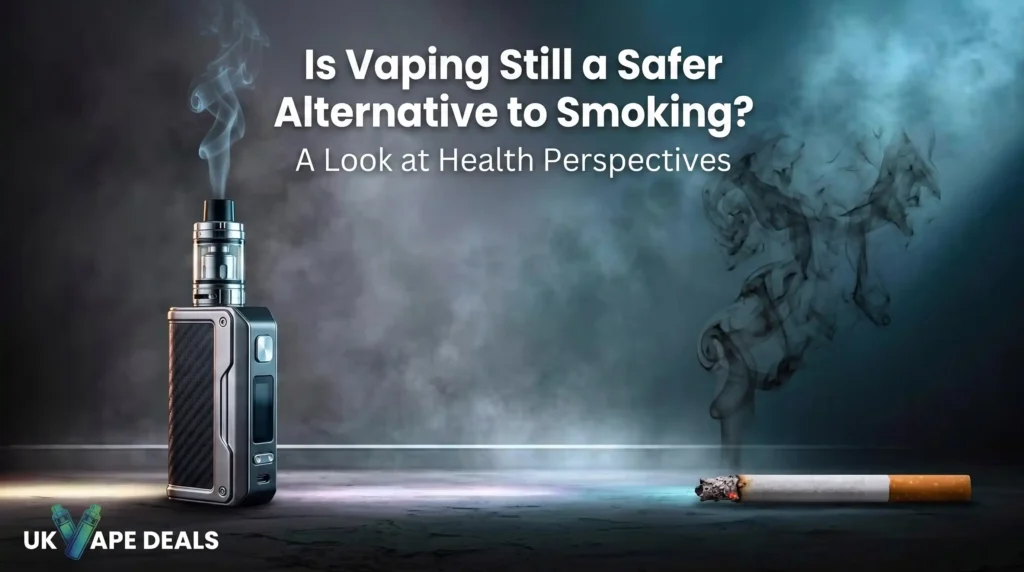
As the popularity of vaping has surged in recent years, many smokers have turned to vaping as an alternative to traditional cigarettes. The question remains: Is vaping still a safer alternative to smoking? In this article, we will explore the health perspectives around vaping versus smoking, compare the risks associated with both, and examine whether vaping can truly be considered a safer choice.
Understanding the Health Risks of Smoking
The Dangers of Cigarette Smoking
Smoking is known to be one of the leading causes of preventable death worldwide. Cigarette smoke contains over 7,000 chemicals, many of which are toxic and carcinogenic. Some of the most dangerous chemicals include tar, carbon monoxide, and formaldehyde, all of which are directly linked to serious health problems such as:
- Lung cancer
- Chronic obstructive pulmonary disease (COPD)
- Heart disease
- Stroke
Cigarette smoking is also known to cause premature ageing, reduced lung function, and damage to blood vessels. In addition to this, nicotine is an addictive substance that makes quitting smoking particularly challenging. The combination of these factors makes smoking a highly harmful activity with long-term health consequences.
How Vaping Compares to Smoking: The Health Impact
What is Vaping?
Vaping involves inhaling a vapour produced by heating e-liquids (vape juice) that contain nicotine, flavourings, and other substances. Unlike smoking, which involves burning tobacco, vaping does not produce harmful combustion by-products like tar or carbon monoxide. As a result, many health experts believe that vaping is significantly less harmful than smoking.
Is Vaping Better Than Smoking?
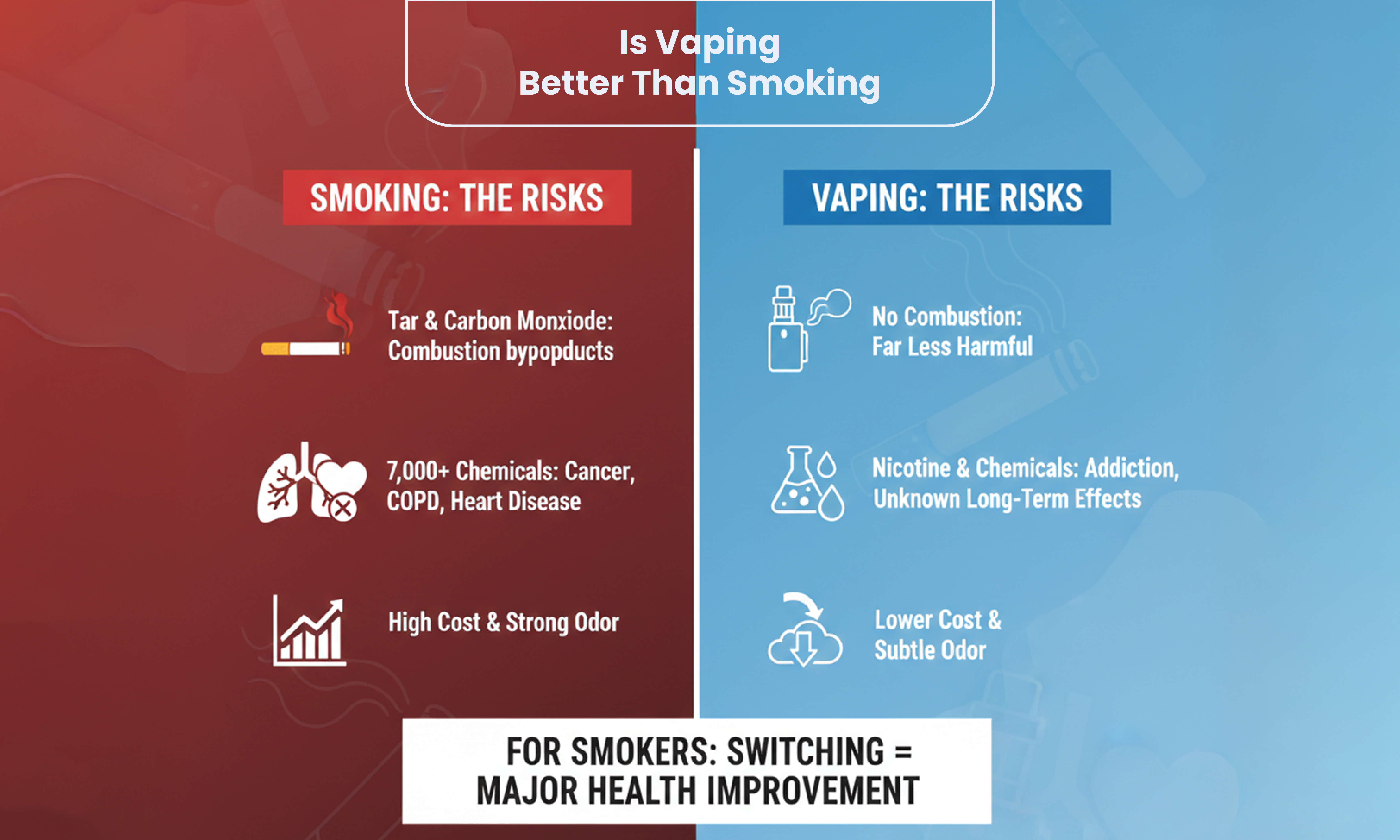
When comparing vaping to smoking, the key difference is that vaping eliminates the harmful chemicals produced by burning tobacco. This reduction in toxic substances has led to the consensus that vaping is less harmful than smoking. However, this does not mean that vaping is completely safe.
Nicotine is still present in many e-liquids, which means vaping carries the risk of nicotine addiction, just like smoking. Although the levels of toxic substances in e-cigarette vapour are much lower than in cigarette smoke, the long-term health effects of vaping are still not fully understood, as research on its long-term impact is ongoing.
Is Vaping Safe? Exploring the Health Risks of Vaping
The Known Risks of Vaping
While vaping is generally regarded as safer than smoking, it is important to acknowledge that it is not risk-free. Some of the potential health risks associated with vaping include:
- Nicotine Addiction: Just like smoking, vaping exposes users to nicotine, which is highly addictive. Nicotine addiction can have negative effects on the cardiovascular system and increase blood pressure.
- Lung Irritation: Some vapers experience irritation in the lungs, throat, or mouth, which can lead to coughing, wheezing, and shortness of breath. These issues may be more prevalent for individuals with pre-existing lung conditions like asthma.
- Exposure to Harmful Chemicals: While e-liquids contain fewer harmful chemicals than cigarette smoke, some potentially harmful substances, such as formaldehyde, acetaldehyde, and diacetyl, may still be present in the vapour. These chemicals are associated with lung damage and respiratory conditions in high concentrations.
- Vaping-Associated Lung Injury (VAPI): In the United States, there have been reports of vaping-associated lung injuries (VAPI), primarily linked to unregulated THC vaping products. Though this issue has not been as widespread in the UK, it highlights the potential health risks associated with vaping.
How Safe Is Vaping for Your Health?
Health authorities, including Public Health England (PHE), have stated that vaping is 95% less harmful than smoking. However, vaping is still not without risks, especially in terms of nicotine addiction and the unknown long-term effects of inhaling vapour. For smokers, switching to vaping may reduce their exposure to harmful chemicals, but it is advisable to quit vaping entirely once smoking cessation goals have been achieved.
Vaping vs Smoking: Which is Safer in the Long Term?
Smoking: The Long-Term Risks
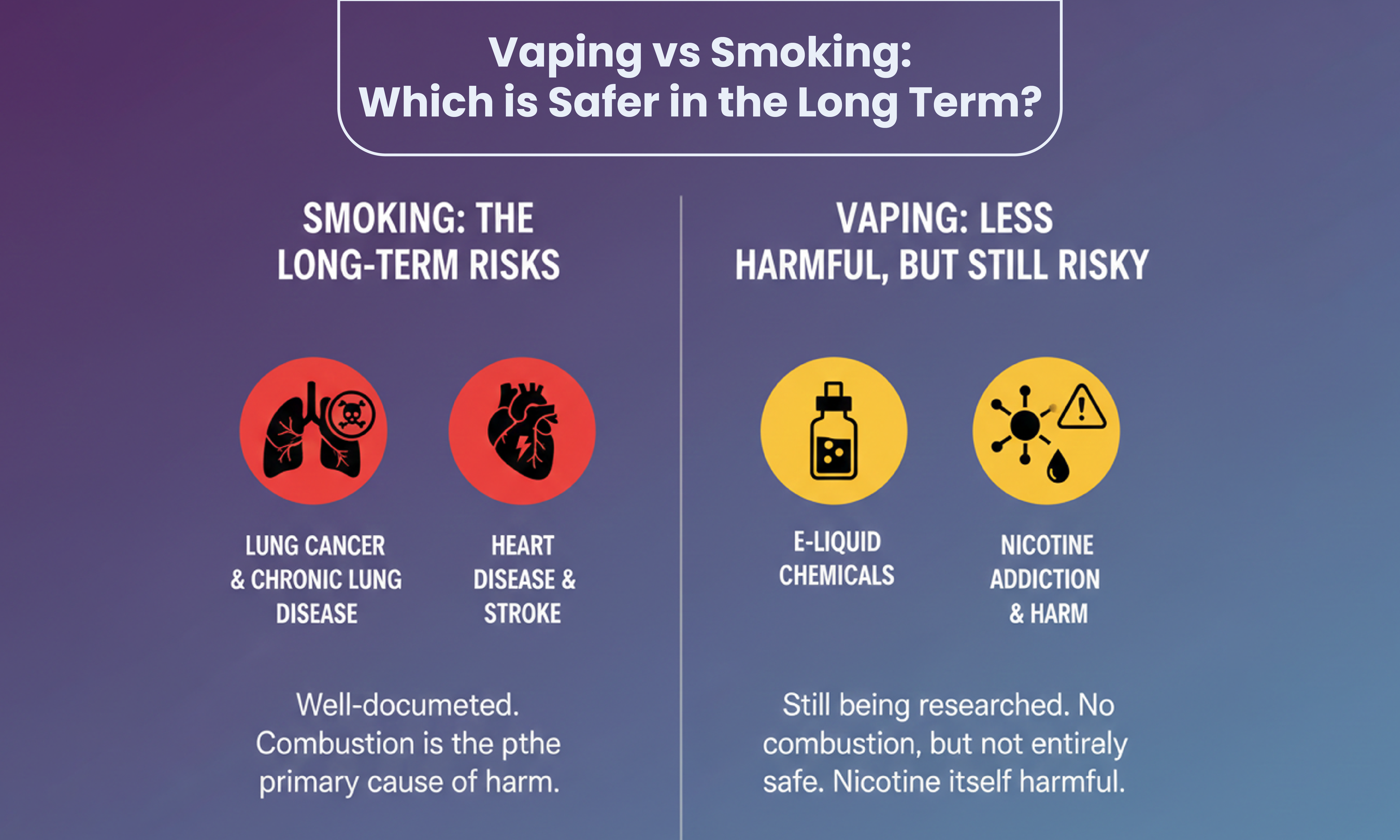
The health risks of smoking are well-documented and have been studied extensively. Long-term smoking can lead to a variety of serious health conditions, including lung cancer, heart disease, stroke, and chronic lung diseases. Even those who have smoked for a short period are at increased risk of cardiovascular issues.
Vaping: Less Harmful, But Still Risky
The long-term risks of vaping are still being researched. However, initial findings suggest that while vaping is likely less harmful than smoking, it is not entirely safe. Vaping does not involve combustion, which is the primary cause of harm in traditional smoking, but inhaling e-liquid vapour still exposes the user to nicotine and other chemicals, which could have potential health effects in the long term.
It is also important to note that nicotine itself can cause long-term harm to the body, contributing to heart disease, increased blood pressure, and arterial damage. For non-smokers, the health risks of starting to vape outweigh any potential benefits.
The Role of Vaping in Smoking Cessation
Vaping as a Smoking Cessation Tool
For smokers who are struggling to quit, vaping has proven to be an effective smoking cessation tool. Public Health England and other health authorities have acknowledged that vaping can help smokers transition away from combustible cigarettes by providing a less harmful source of nicotine. Vaping offers smokers an alternative that can reduce their exposure to harmful chemicals while helping them manage cravings and withdrawal symptoms.
Switching to vaping can help smokers cut down on their nicotine intake and reduce their reliance on cigarettes, eventually leading to the possibility of quitting nicotine altogether.
The Goal Should Be to Quit Nicotine Altogether
While vaping is safer than smoking, the ultimate goal for smokers should be to quit nicotine entirely. Many experts recommend nicotine reduction plans that involve progressively lowering nicotine levels in e-liquids, leading to a smoke-free, nicotine-free life.
Conclusion:
The health risks of vaping vs smoking are clear: vaping is less harmful than smoking cigarettes due to the absence of combustion and toxic by-products like tar and carbon monoxide. However, vaping is still not risk-free, as it involves exposure to nicotine and some potentially harmful chemicals.
For smokers, switching to vaping can significantly reduce the harm caused by smoking, but the best option for health is to quit nicotine altogether. Non-smokers should avoid both smoking and vaping, as the potential risks of starting to vape are not yet fully understood.
Ultimately, while vaping is a safer alternative to smoking, it is essential to consider the risks and make informed choices about nicotine use. For those who are considering vaping as a means to quit smoking, it remains an effective harm reduction strategy, but long-term goals should always include cessation of nicotine use entirely.
Further reading: For a broader public-health perspective on vaping and nicotine dependence, see The Guardian’s report on why some people still find e-cigarettes difficult to quit.




The UK Vape Market Evolution: Disposable Vape Ban and the Rise of Refillable Vapes
The UK vape market is evolving rapidly, influenced by changing regulations and growing concerns about public health and environmental sustainability.

The Guide to Vaping Styles: Understanding the Different Ways Adults Vape in the UK
Vaping continues to evolve as one of the most common alternatives used by adults who want a method that differs
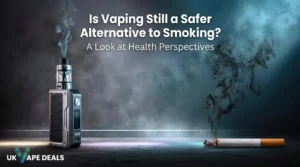
Is Vaping Still a Safer Alternative to Smoking? A Look at Health Perspectives
Quick Overview As the popularity of vaping has surged in recent years, many smokers have turned to vaping as an

Elux Legend Mini: Why It Became So Popular in the UK and What Happened to It?
Introduction: The 2026 Verdict on a Legacy Icon The Elux Legend Mini was a well-known disposable vape in the UK,
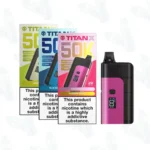 Titan X 50K Prefilled Pod Kit
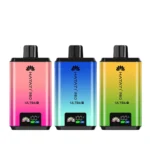 Hayati Pro Ultra Plus 25K Prefilled Pod Kit
 Al Fakher 30K Hypermax Vape Kit
 Relx Maxgo Combo 33K Prefilled Pod Kit
 RandM Fumot Tornado 18000 Puffs Vape Kit
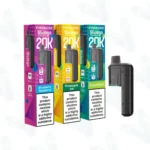 Firerose SlideGo 40K Prefilled Pod Kit
 Craving Bar Big Maxx 22k Prefilled Vape kit
 Hayati Pro Ultra Plus Shisha 30K Prefilled Pod Kit
 FEOBA Treo 33K Prefilled Pod Vape Kit
 Vapes Bars Angel 20K Prefilled Pod Kit